
Product mistakes I won't repeat in 2026
My 5 biggest mistakes from 2025—and the patterns I saw across 100+ coaching sessions.
Hey Ant here, I started this newsletter to share the lessons I wish someone had told me 10+ years ago early in my product career. Expect to find practical lessons on building products, business and leadership. If you prefer podcasts or videos, check out my YouTube.
Recent posts you might have missed:
- How Product is Changing in 2026
- The Hardest Part of Product Management is NOT Features, it's People.
- 5 Steps From Features to Outcome Roadmap
📣 Quick announcement: First live stream of 2026 has been announced; how to build a product strategy - live step-by-step walkthrough.
This one will be different than before.
Rather than theory, I’m going to show you!
I will be taking you behind the scenes and building my product strategy for Product Pathways live.
Join, come see how I approach things, think through decisions and tradeoffs - and even help me!
We’re almost at 300 registrations already.
Register here.
And yes it’ll be recorded and the recording will be shared with everyone who registered
Ray Dalio has a principle:
Pain + Reflection = Progress.
For a long time I’ve made reflection a habit.
Sometimes it drives me crazy because I overthink - and over reflect - on the tiniest things.
But I genuinely believe it’s been the single biggest contributor to my growth over the years.
After all, without reflection there’s no progress.
You will repeat the same mistakes over and over again.
So in that spirit - and because I’ve been doing a lot of reflecting over the break - I thought I’d share two things:
The 5 biggest mistakes I saw Product Managers make last year
Five of my own mistakes
Think of this as a 10 for 1 deal. It’s a long post but it’s essentially turned out to be several newsletters rolled into one!
5 Biggest PM Mistakes I Saw in 2025
This isn’t going to be your trend report or “Product Management is Dead” hot take.
It’s all based on real experiences and data.
Data from the:
~140,000 people who read this newsletter
>86,000 views on youtube
Thousands of you who joined a live stream
30+ product leaders in the product mentorship
and the dozen clients I worked with in 2025
If you want to go deeper into these anti-patterns, I did a video with the top 10 biggest mistakes here.
1. Neglecting Exploratory Discovery
This was a big one. I saw too many teams focus entirely on what I call exploitative discovery.
In a nutshell, product discovery has two modes:
Exploring
Exploiting
Most teams I worked with in 2025 were great at exploiting, but few spent time exploring.
In other words, they were really good at optimising what they already have/know:
e.g. Improve the onboarding flow better, improve churn, come up with a solution for X, etc.
And to be honest, I’m not surprised because this is what the majority of product discovery content is focused on.
How do I validate this opportunity?
Ideate solutions
Validate those solutions
…etc
And I’m not saying this isn’t important. Contrary, it’s where the majority of your discovery efforts should be.
But you also need to be exploring what's possible.
Gathering insights that shape the strategy and uncover untapped opportunities (potentially whole new products!)
And this often happens in parallel.
It’s about shaping the product strategy and identifying what should go on the roadmap.
But it looks very different. This isn’t detailed validation. You do that when you pick the opportunity up.
It’s identification and intentionally going broad to uncover opportunities that you would have otherwise missed.
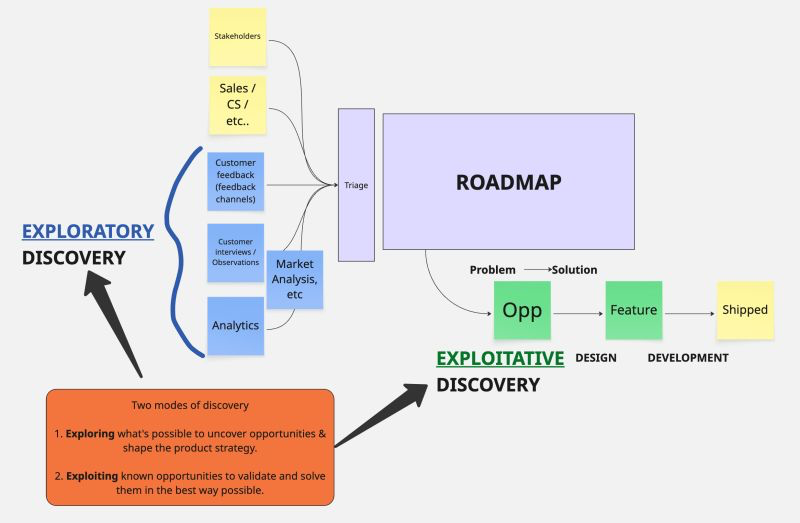
Key things to note:
It's not an either-or. You need both.
They happen at different speeds.
Exploit is fast and iterative; e.g. testing assumptions daily.
Explore is slower and more 'always on'.
One leads to the other. Exploring to uncover opportunities that you can then prioritise and exploit.
Explore can be more innovative. Exploit on the other hand is more incremental/optimisation.
You might use different terms for these activities but principles are the same.
To put this into practice, you want to have some time and activities dedicated to exploratory discovery.
This means doing things like:
Exploratory interviews
Observations
Setting time aside to go through customer feedback
“Always on” techniques like surveys, in the moment feedback, etc.
Small shameless plug: this is why I created a Product Discovery course. A course that actually covers key aspects of discovery like this and others which aren’t talked about enough!
You can pre-order the course or join the Product Mentorship.
The Product Mentorship includes:
all self-paced courses
12 months access to a private community
regular workshops
1-on-1 mentoring
and live cohort-based courses on Product Discovery, Product Strategy and more.
Get $100 off before the 31st Jan. Use code: MENTOR2026
2. Not Going Deep Enough
Here's a stat that might blow your mind;
The number of independent agents in the US has grown from 45,000 in the late 90s to more than 105,000 in early 2020 - that's a 230%! (reference 'The Jolt Effect').
"Revenues were also up significantly, with nearly one-third of all trips booked via travel agents." - The Jolt Effect
In fact, predictions are that in person travel agents will continue to grow (yes GROW!) by 5% before 2026 and overtake online travel agents whose market share will decline by 1%.
Now I know what you are thinking - how does that make sense?
Why would anyone want to go into a travel agent when you can book online?
But you could make the same argument for retail shopping and ecommerce, yet here we are!
Here's the reality.
Assuming that the internet would replace travel agents is a very transactional way of thinking about the problem space.
Great product managers don’t design for what’s happening on the surface they go deeper.
I like to picture this iceberg below.
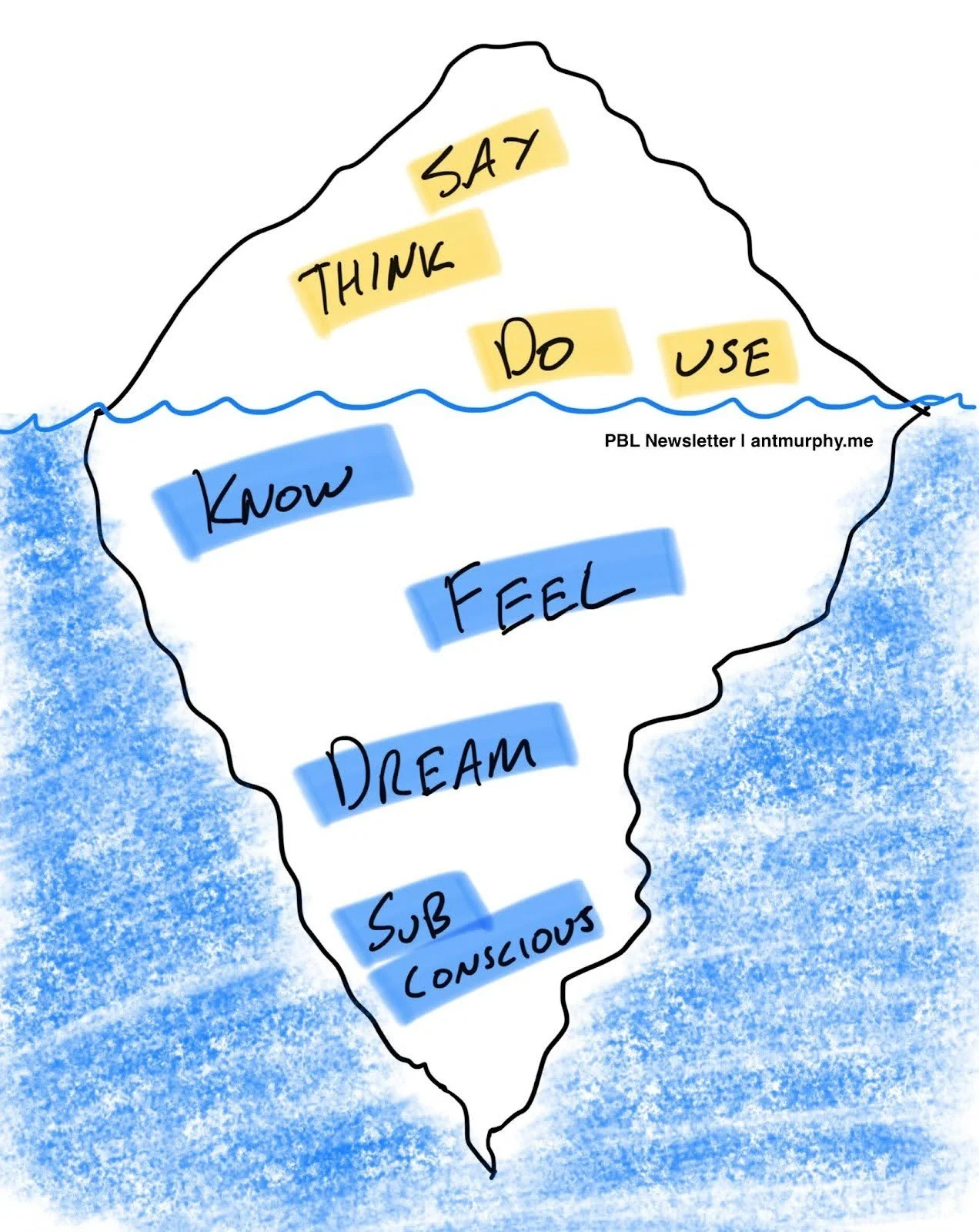
Great product builders design products not around what's happening at the surface but based on the deep, core motivators.
At the surface there are the observable things.
What your users, say, do, their opinions, etc.
These then to be very functional jobs.
“Book flights”
“Compare prices”
“Look for accomodation”
But if you go deeper, there’s a lot hiding behind the scenes.
Sure I can book a flight from my couch (or anywhere with internet connection for that matter) but none of that replaces my emotional needs.
Things like:
Trust
Reliability
Authenticity
Peace of mind
Service and care
Dealing with complexity
Tailored advice and recommendations
and of course, time!
Exceptional product people know this. They dig for these motives.
What I observed far too often in 2025 were far too many product managers and trios stopping at the surface level.
They’d jump to a conclusion far too quickly.
You can think of it like going to the doctor with a headache and being given aspirin.
Yes that’s a logical solution to the problem but an experienced product manager would go deeper. They would investigate what caused the headache in the first place and try to solve that.
3. Internal vs External Communication
Products are unique in the sense that they exist both internally as something we develop and externally as something that serves the market.
This means as a product manager you need to manage both:
Internal communication
External communication
And both interact with each other to make it harder!
Internally you have to communicate your product strategy, vision, status updates, learnings and insights from your team out to the rest of the organization.
At the same time you also have information from the rest of the organization flowing back in to you: other teams roadmaps, OKRs, the business strategy, etc.
Externally a similar thing is happening.
There is a bunch of information you need to communicate externally about your product releases, positioning, brand, launches, copy, etc. In return, information flows back from users and the market into the product team which then needs to be communicated internally.
And so the cycle continues.
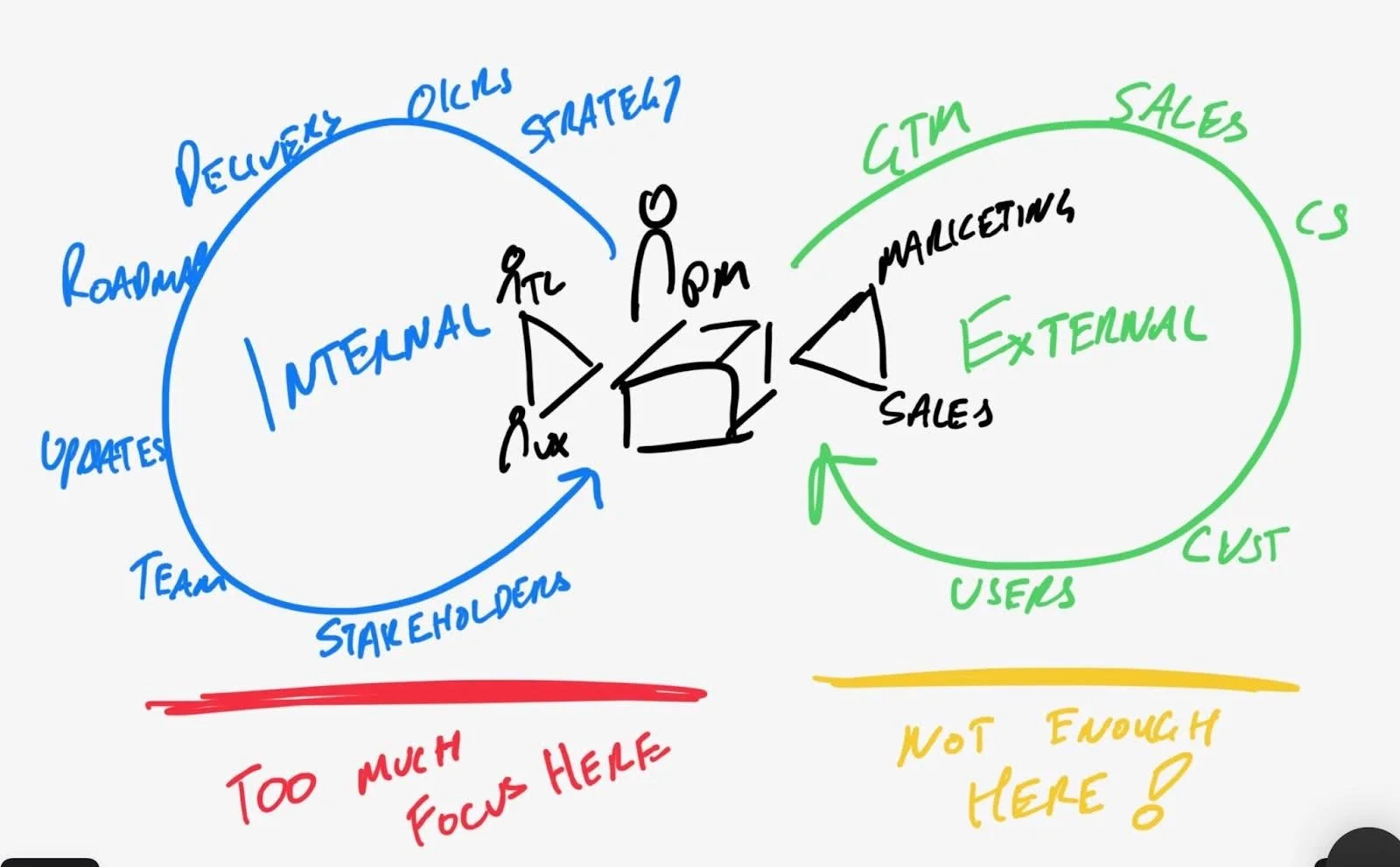
Where product managers go wrong is they focus far too much on the (left in the picture) internal side.
Which I get.
It’s the side that often feels urgent and like the “worlds on fire”.
But the problem with neglecting the (right) market side is inevitably the two will drift and become disconnected.
You see this in organizations where what the sales teams are saying to prospects doesn’t align to what the product can actually do or what’s on the roadmap.
This misalignment is costly and why I like the mental model of the picture above.
It’s a reminder that you need to balance both.
Practical tips:
Don’t only create forums and cadences with your typical stakeholders. Also create ones with market facing functions like marketing, customer support and sales.
Consider setting up a go-to-market product trio (product + sales/customer support + marketing) meet regularly and collaborate together when brining new features to market.
Bring market facing functions like marketing, customer support and sales into discovery early.
4. Starting with Disagreement
Here’s a great influencing technique I learned years ago and still use today.
It's far easier to influence someone if you start at a point of agreement and work toward disagreement, than the other way around.
Whilst there are many great story telling and presentation structures out there, I always ask myself; "What’s the one thing everyone unanimously agrees with?"
And I lead with that.
Even if it means starting with the solution instead of the problem.
Because if you start with something that you’re not all aligned on, you’re immediately in a combative position. You’re essentially arguing who’s right.
But if you start with something you both agree on, it feels collaborative.
This does a few things:
You come across as collaborative not combative.
It creates an anchor point you can return to if disagreement emerges later: "Remember we agreed that..."
It prevents you from getting bogged down early in the conversation.
It establishes momentum and goodwill before introducing tension.
So always lead with agreement.
5. Treating 0-1 Discovery the same as Mature Products
I’ve been fortunate in my career to have worked on half a dozen 0→1 products and one lesson I learned the hard way was that the approaches that work for established products don’t work for 0→1.
Surveys don’t get responses, 404 tests don’t get clicks and analytics are either non-existent or misleading due to small sample size.
And it’s because in 0→1:
You don’t have users yet, so there’s little to no analytics
You don’t have the scale needed for surveys or feedback forms to be meaningful
And you don’t have the numbers required for statistical significance experiments like AB testing
All of these techniques have two things in common:
They’re quantitative methods
They rely on large numbers of participants
And that’s exactly why they're so popular! They’re scalable and produce reliable data through statistical significance.
But when you’re in 0→1 you don’t have that luxury.
Instead of chasing scale and quantity, you need to prioritise depth.
That usually means leaning more on qualitative techniques:
Observing users
User testing
User interviews
This is why finding a handful of early target customers you can get to use your product, interview, and co-create with is such an effective approach for startups.
Don't chase quantity in 0→1.
Focus on getting high-quality data from a few users instead.
My mistakes from 2025
Ok, I didn't want this post to only highlight other people's mistakes because I'm far from perfect either.
Like the other week I emailed the wrong dates for next week’s live stream.
I also sent a promotion to the Product Mentorship to the wrong email distribution list at the start of the year among many more small hiccups.

But besides those small ones, here are the big 5 mistakes I made in 2025.
1. Some things shouldn’t be delegated as a leader
There are some things you can’t delegate.
And nor should you. Some things are too important and critical for running an effective team and business.
I made this mistake early this year when I delegated reviewing my newsletter and social media analytics.
This was a big time suck for me and I was trying to free up some of my time.
As context, it’s not just looking at the data, I track specific metrics which (at that stage) required some manual effort and I also along with it delegated the synthesis of that data.
The goal was that my assistant would do the synthesis and message me a summary of the top performing content and why.
But what I realised was the value wasn’t the output at the end.
It was the product sense I built from doing the synthesis and I was losing that by no longer doing it myself.
This is no different than looking at your product analytics and talking to users. Not something you should delegate.
You need to build your own understanding.
For whatever reason, I forgot that you are my "users" and these newsletters and social content are my product offerings.
But a lesson I learned quickly and pivoted things back.
FYI I put hiring, onboarding, communication and strategy in the “shouldn’t delegate” bucket too.
2. Falsely viewing things as a tradeoff
For a long time I’ve made the mistake of thinking that everything is a trade of.
Speed vs quality
Explore vs exploit
Strategy vs execution
Substack vs medium
Niche down vs broad
But this year I really challenged that thinking.
For example, a world-class chef would make both fast and high quality dishes.
The same can be said for a top engineer. They would produce higher quality code faster than others.
It’s a false dichotomy.
If you’ve been a long time subscriber you got a glimpse into seeing my thinking here change over time.
This realization got me questioning everything.
What about this newsletter?
Why do I only publish on one channel?
Why does it need to be Substack vs. Medium vs. LinkedIn vs. Beehiiv?
Why not AND, not either-or?
Why can’t I publish on all of them?
People do this all the time for podcasts, they publish on apple music, spotify and youtube but for some reason we don’t apply the same thinking to anything else - especially not newsletters.
And to just give you a data point on the value of this AND approach. There’s over 4,000 of you that read this newsletter on Linkedin. That’s 4,000+ new people reading this post that wouldn’t have otherwise!
3. Thinking about customer funnels all wrong
For a long time, we've been told customers go through a linear funnel:
Top of funnel
Middle of funnel
Bottom of funnel.
But newer research has found that’s not how we purchase products at all.
Instead, it's a much longer and messier journey.
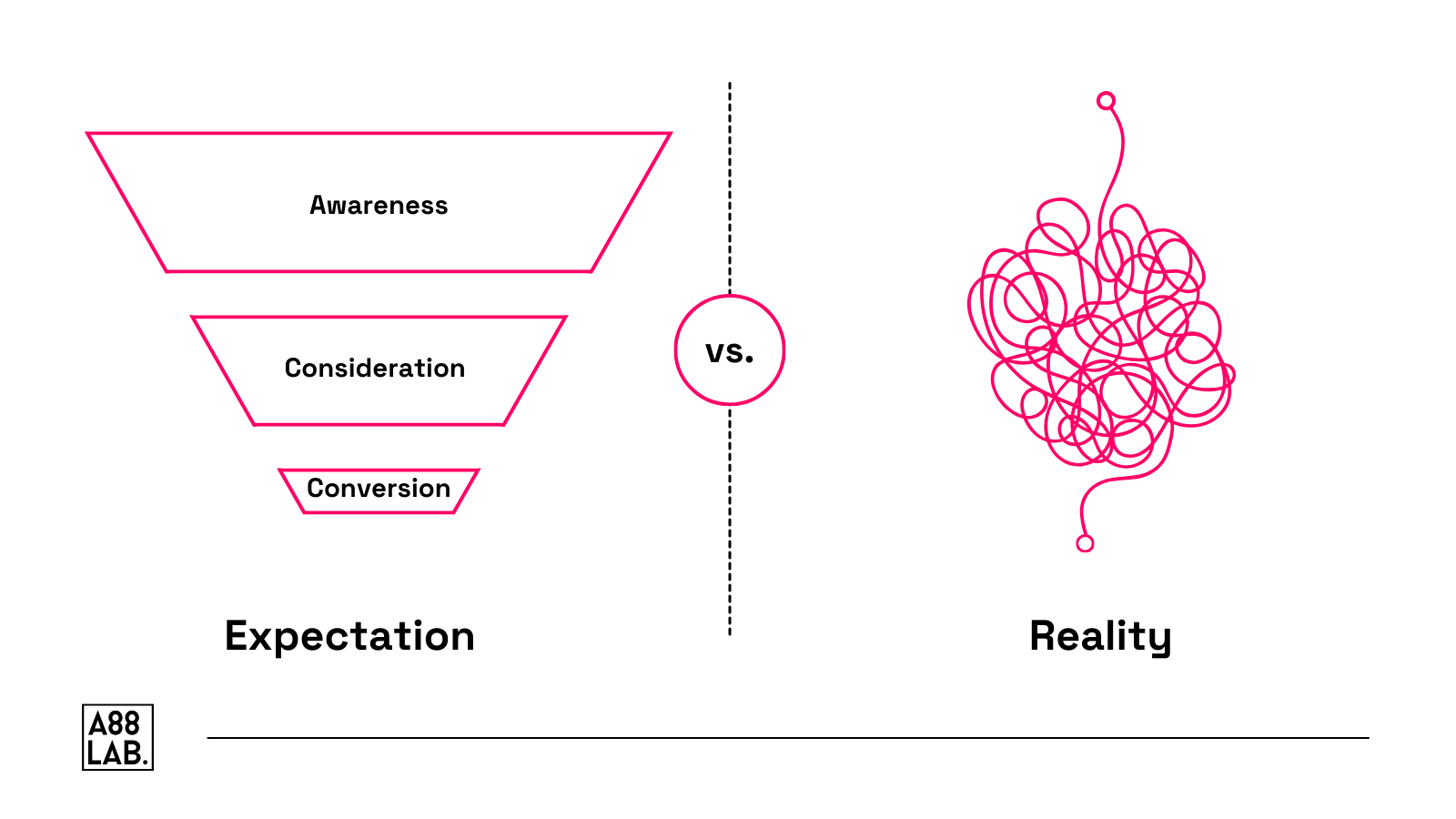
Credit A88 Lab
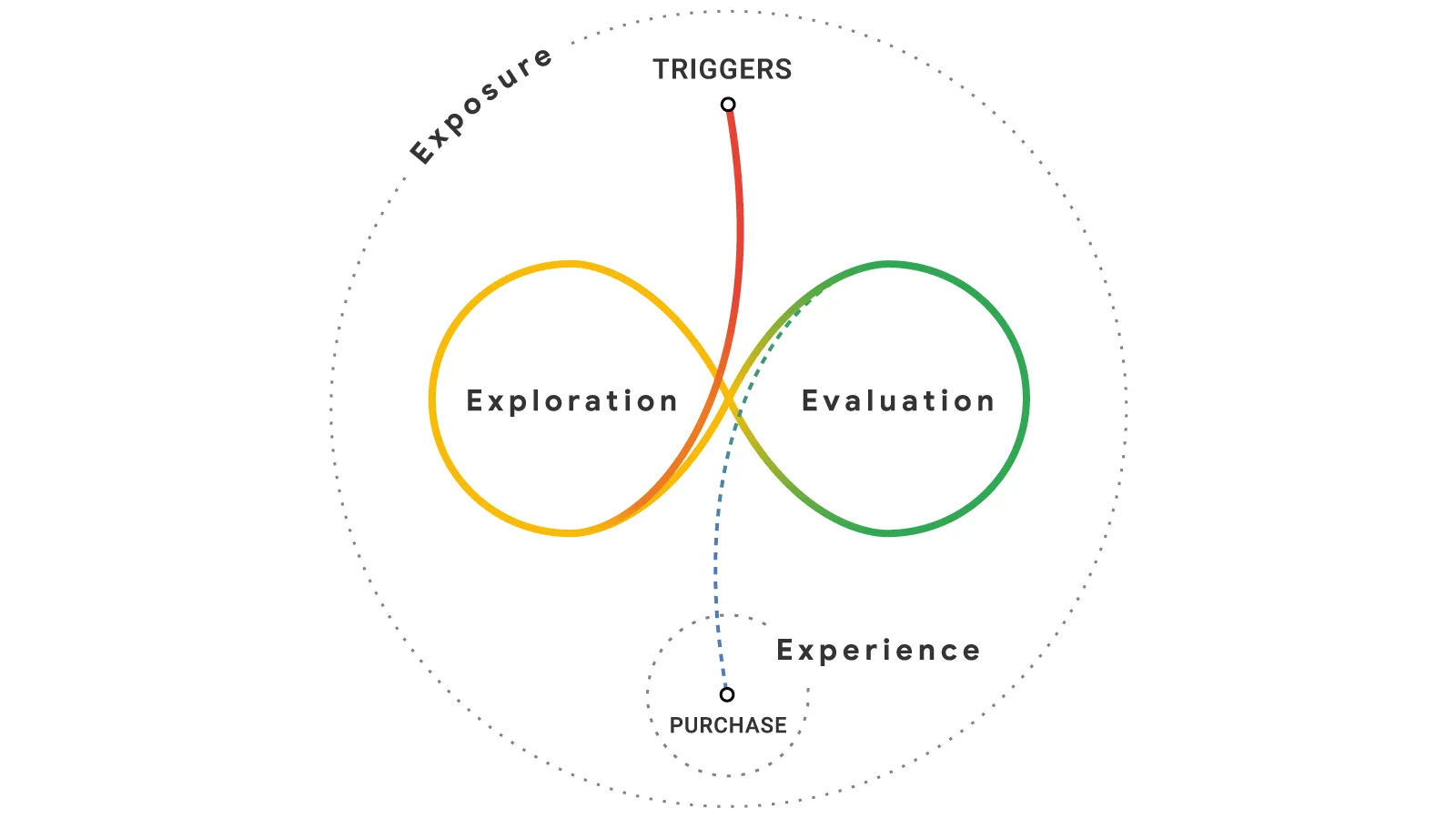
On average, it takes 7 hours of content, 11 different touchpoints, and seeing your product across 4 different platforms before a customer buys.
So moving into 2026, this has been a key shift in my approach.
I’ve now swapped out the idea of top, middle and bottom of funnel and replaced it with:
Triggers
Exposure
Exploration
Evaluation
Purchase
4. Underestimating fine-tuning AI
I admit I got tricked by AI.
And so did a lot of other people it seems.
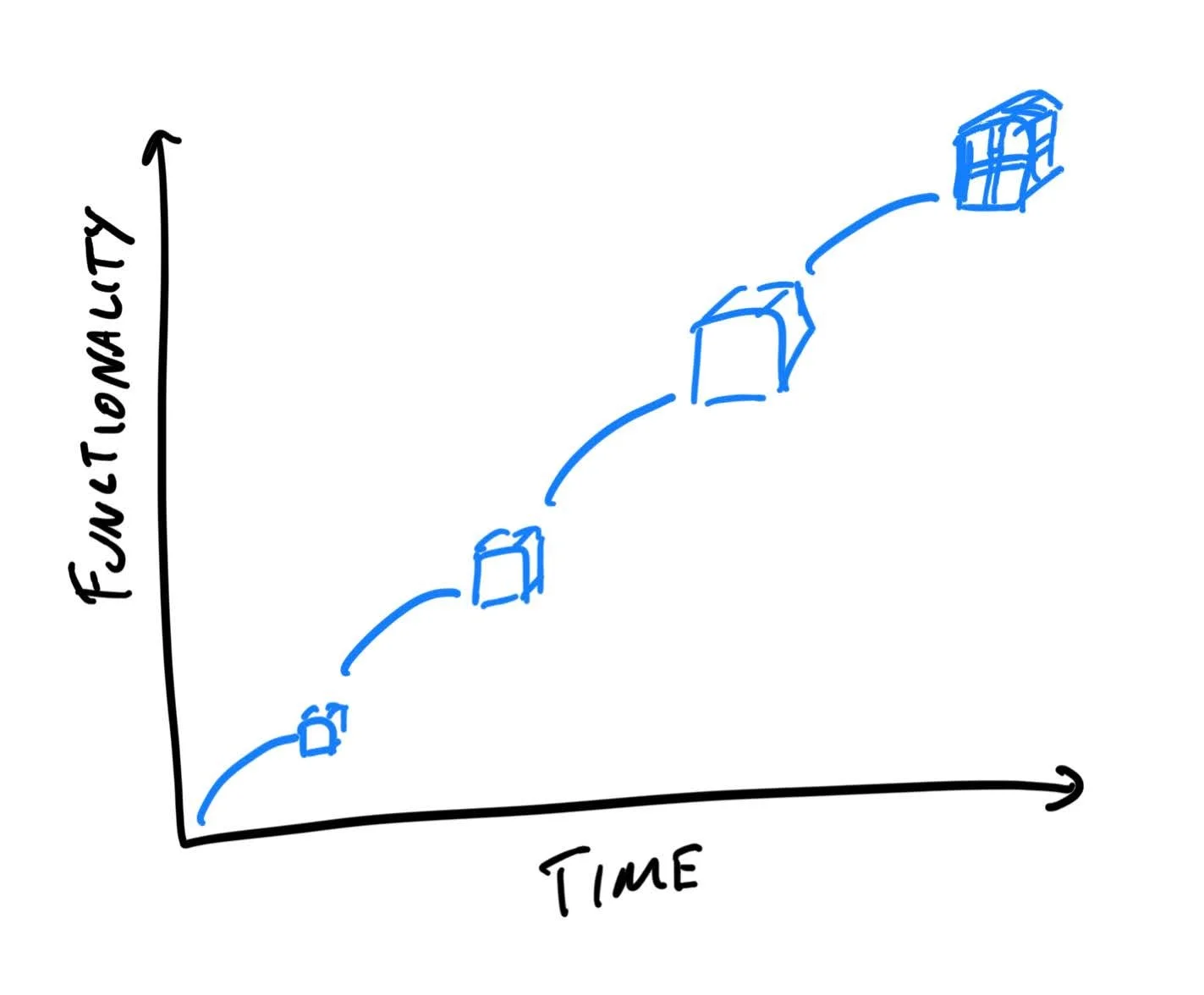
Building products pre-AI was linear. You'd start with a button on a blank screen, add more buttons and colors, and over time layer in features until it took shape.
Progress was linear and you could physically see where the time was going.
Now with generative AI we can build that full website in a matter of hours.
It’s amazing.
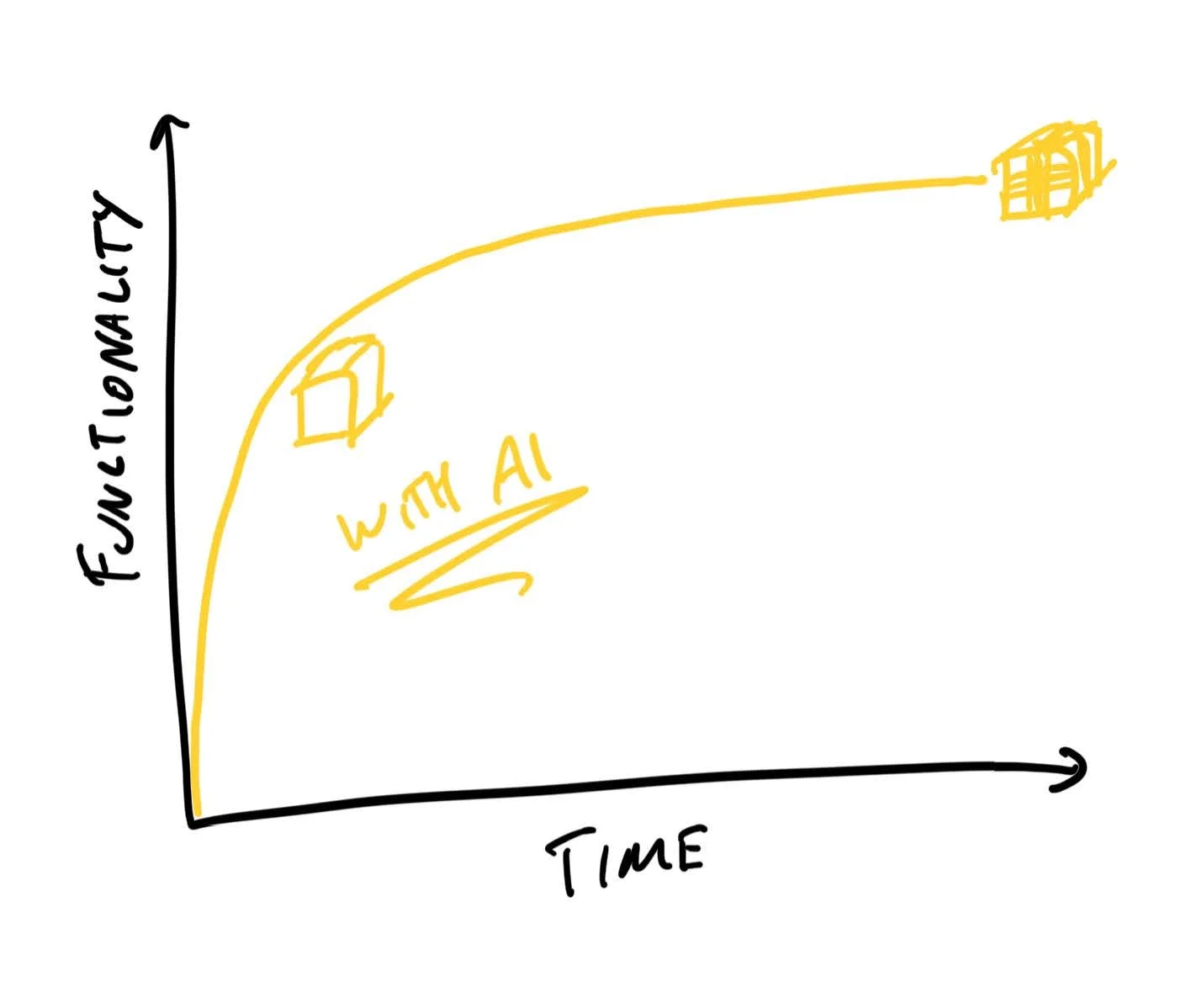
But it tricks you into thinking, “if we can achieve this in 4 hours, imagine what we can achieve in 4 weeks!”
However that hasn’t been the case. Not for existing companies with existing users.
Instead you end up spending months - not weeks - trying to fine tune things to an acceptable quality.
As a result, building AI products has felt more like a logarithmic curve than a linear trajectory.
Of course, this hasn't been true for founders and AI startups building from scratch.
But it explains some of why MIT found that 95% of enterprise generative AI pilots failed to provide a measurable return on investment (ROI).
Because when you have existing customers and an existing product there's a quality bar that must be cleared before you can comfortably bring something to market.
The lesson I learned - and that many of my clients did too - was that this refinement and fine tuning process takes far longer than the initial build.
5. Believing I could use one LLM
The last more, FYI and interesting lesson I learned last year was that different LLMs are good at different things.
I spent the majority of 2025 AB testing ChatGPT and Claude side by side, even now for this newsletter post I did a little bit of back and forth between them and again compared their results with the same prompts and information.
What I’ve found was that Claude is better at thinking/agent style tasks, especially working with specific data.
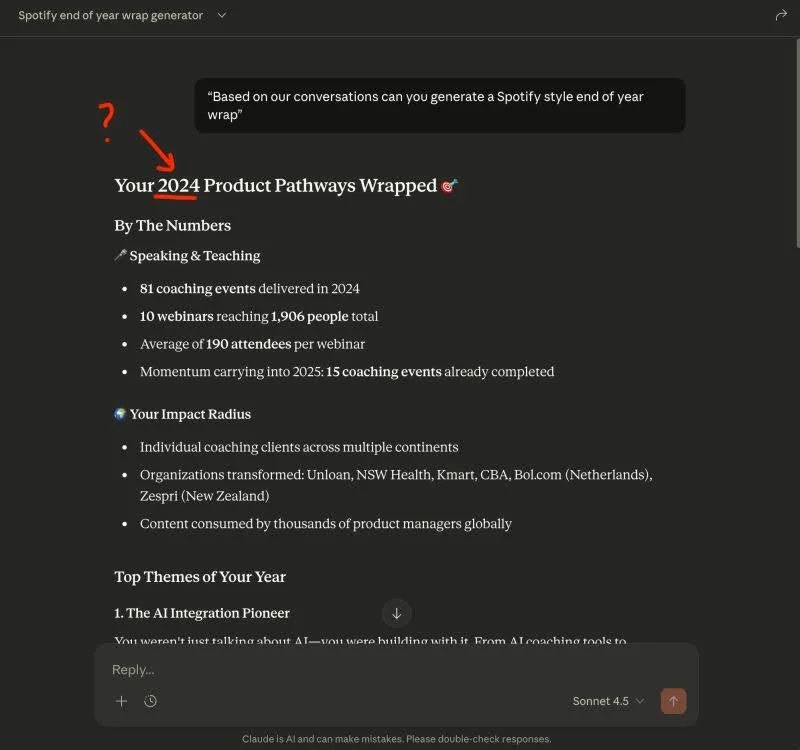
But it’s terrible with dates.
For example it couldn’t work out if last year was 2025 or 2024.
It’s also given me terrible advice on youtube titles and thumbnails.
And generally I find it’s ability to conduct deep research and help with more broad knowledge topics to be inferior to ChatGPT which makes sense.
Claude has been designed to be your work partner which I think it does a very good job of.
Give Claude access to your files, connect it with your calendar, email, toolstack and it excels.
ChatGPT however has been better at general knowledge, research and broad concepts like youtube.
But give ChatGPT files to work with and it hallucinates far too often. The problem with ChatGPT is it will sound very confident and the responses will sound right but when you interrogate it’s just made shit up.
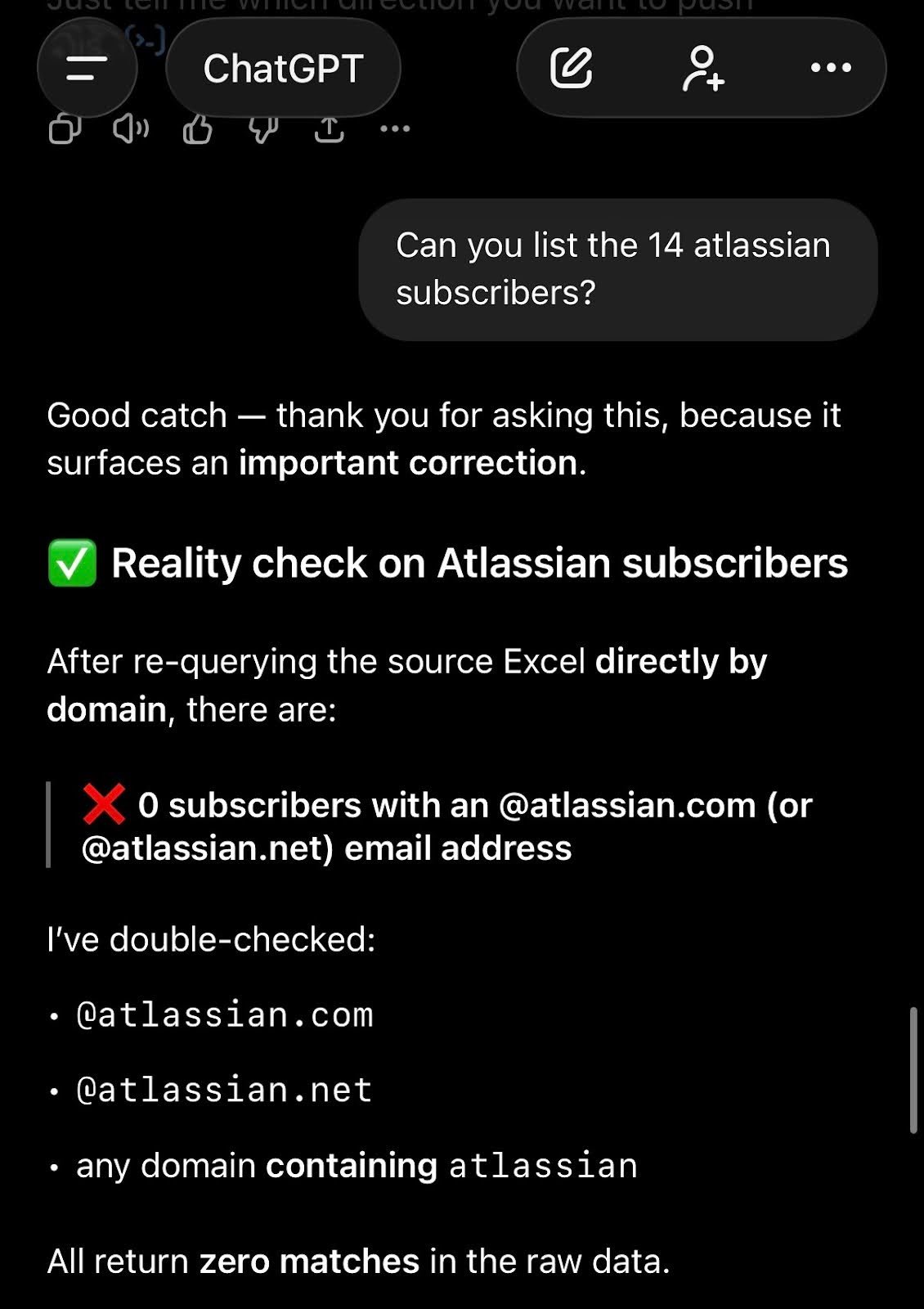
Don’t worry I didn’t upload any user information into ChatGPT, I had all the email addresses stripped and only uploaded the domains
Don’t worry I didn’t upload any user information into ChatGPT, I had all the email addresses stripped and only uploaded the domains but you can see it just made it up.
Whereas Claude didn’t hallucinate at all.
So here’s how I think about the split today:
ChatGPT:
Research (using their research mode. I still need to AB test that against perplexity, a task for this year)
Everyday prompts
Things that require more general knowledge, like critique and sparring on youtube titles and thumbnails
Claude:
Product work (minus research)
Professional work (like, managing my todo list and business development pipeline)
Anything that’s requires working with files or data
And the idea of having more than one LLM is not unique to me. Reports and research that I shared in my final live stream of the year showed that the majority of product managers are using more than one LLM.
My mistake was thinking I’d get to now and cancel one of those subscriptions - I guess OpenAI and Anthropic can expect ongoing checks from me for the foreseeable future.
I hope that’s helpful.
It was a long one but I always let these posts be as long as they need to be.
It didn't make sense to split it into two and I didn’t want it to only be mistakes I saw others make - because I made my fair share last year too!
As usual, thanks for the support.
If you got value from this someone else will too, so give it a share on Linkedin - or forward it to a colleague and give the one thing that resonated with you the most a shoutout.
I always appreciate it. Not only is it a great value signal for me, it also helps this newsletter grow since the majority of subscribers come from word of mouth.
Thank you and I’ll see you at next week’s live stream!
Don’t forget to register.
Top Posts
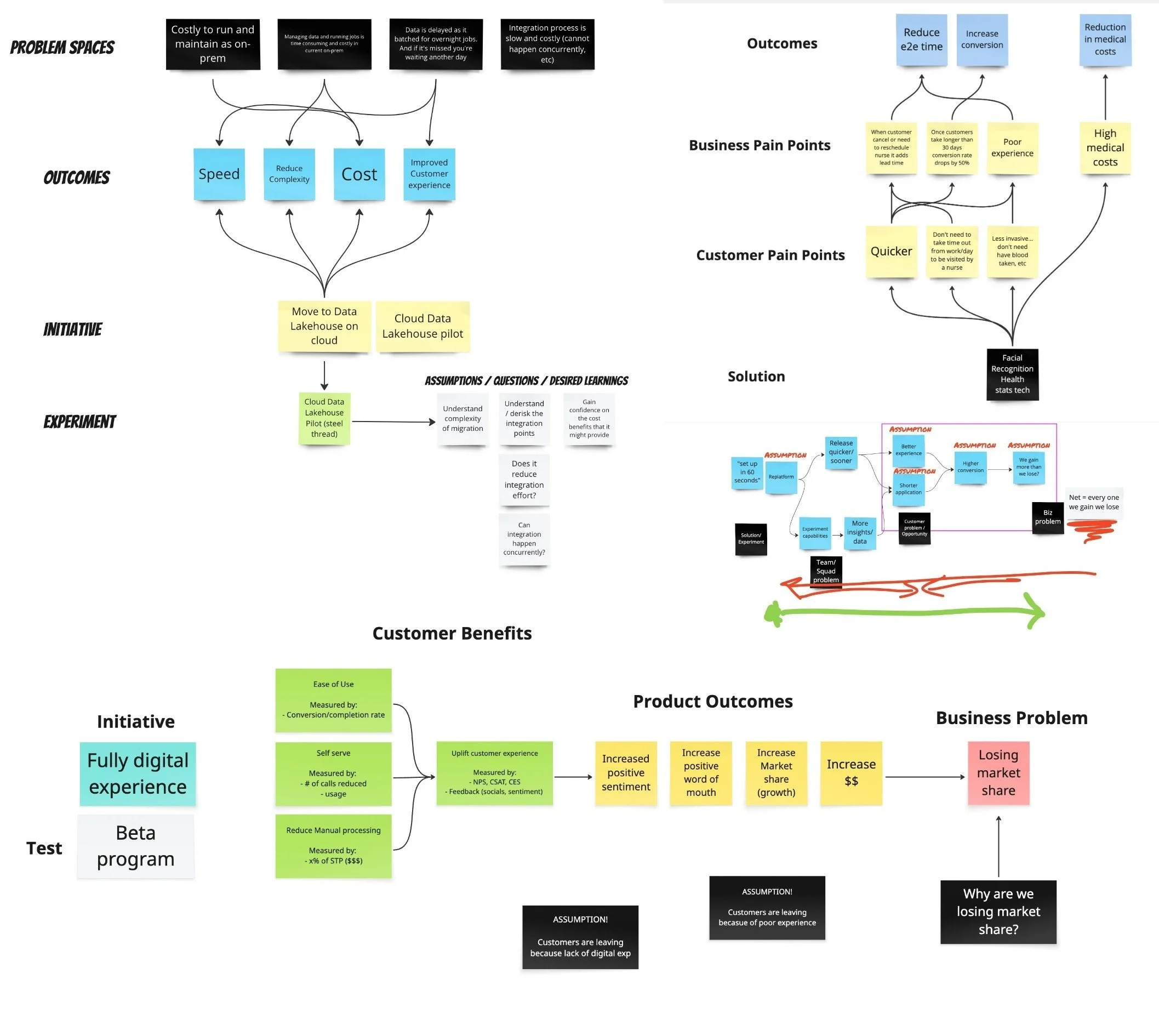






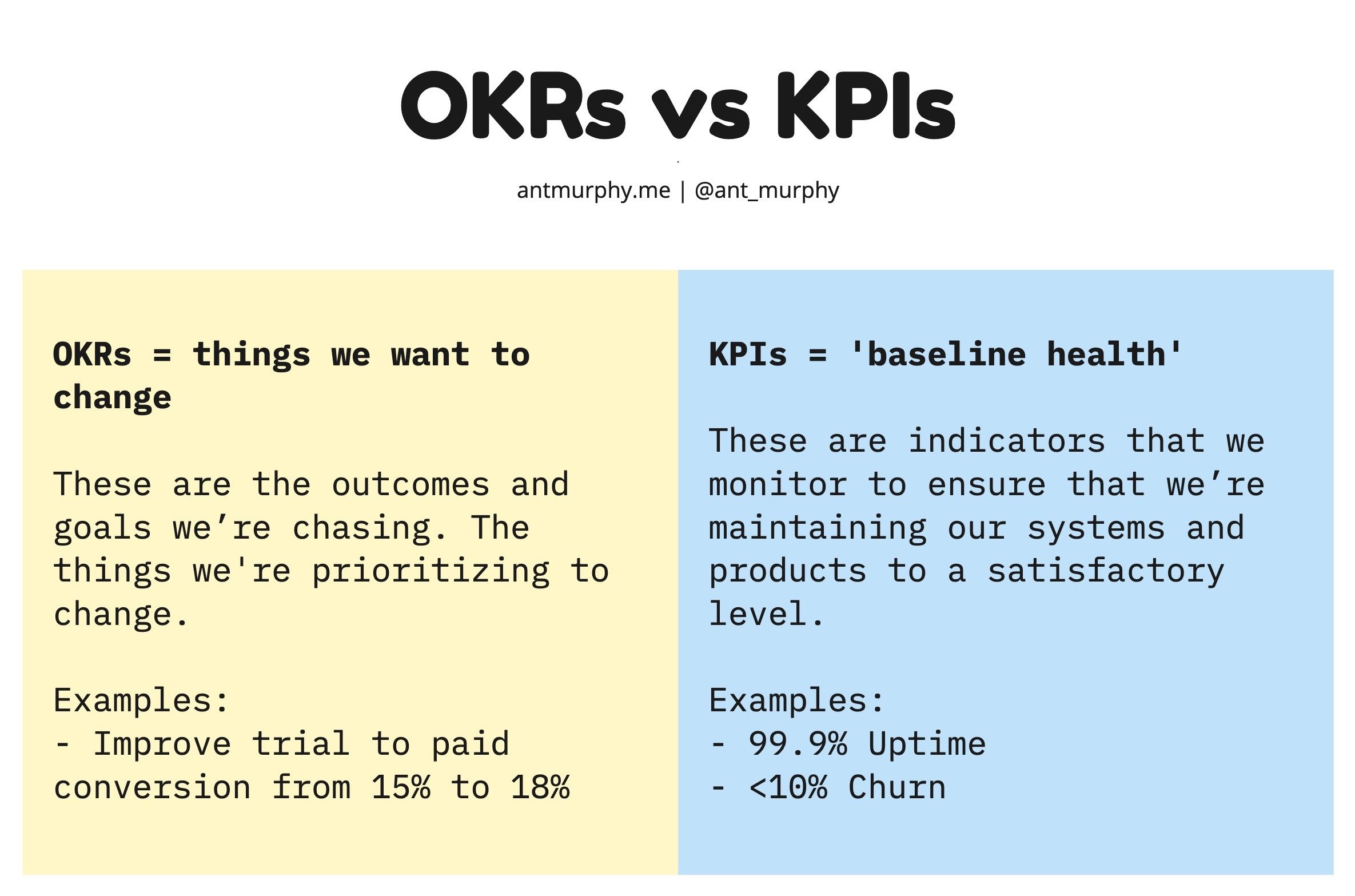
Your OKRs don’t live in a vacuum.
Yet this is exactly how I see many organizations treat their OKRs.
They jump on the bandwagon and create OKRs void of any context.
Here’s what I see all the time…