
You Don’t Need Another Prioritization Framework: Just These 4 Components
This post will teach you to go beyond prioritization frameworks.
Hey Ant here, I started this newsletter to share the lessons I wish someone had told me 10+ years ago early in my product career. Expect to find practical lessons on building products, business and leadership. If you prefer podcasts or videos, check out my YouTube.
Recent posts you might have missed:
- Free Annual Planning Workshop Template
- How product companies operate without BAs, Scrum Masters, Release Managers, etc
- Product mistakes I won't repeat in 2026
Let’s be real. You don’t need another prioritization framework.
You’ve probably tried them all.
RICE, WSJF, value vs effort and a dozen spreadsheets in between.
The problem isn’t that you haven’t found the right prioritization framework yet. It’s that you likely haven’t been taught how prioritization actually works.
So that’s what I’m going to do in this post.
This isn’t another framework. It’s getting down to first principles thinking and the core concepts that sit behind EVERY prioritization framework.
Why Frameworks Don’t Work
Prioritisation isn't about value/effort.
It's the combination of many different inputs:
risk
impact
urgency
confidence
uncertainty
cost of delay
opportunity cost
etc...
And to make things worse, they won't all apply to everything equally.
That urgent bug fix is very different to that the platform upgrade. Both are very different to solving the customer opportunity you’ve discovered.
This often means you’re comparing apples to oranges - something super urgent to something that’s high risk - or something that has the potential for high impact against something you’ve got confidence about.
Which is why those prioritisation frameworks that you’ve been using don’t feel quite right.
Not easy.
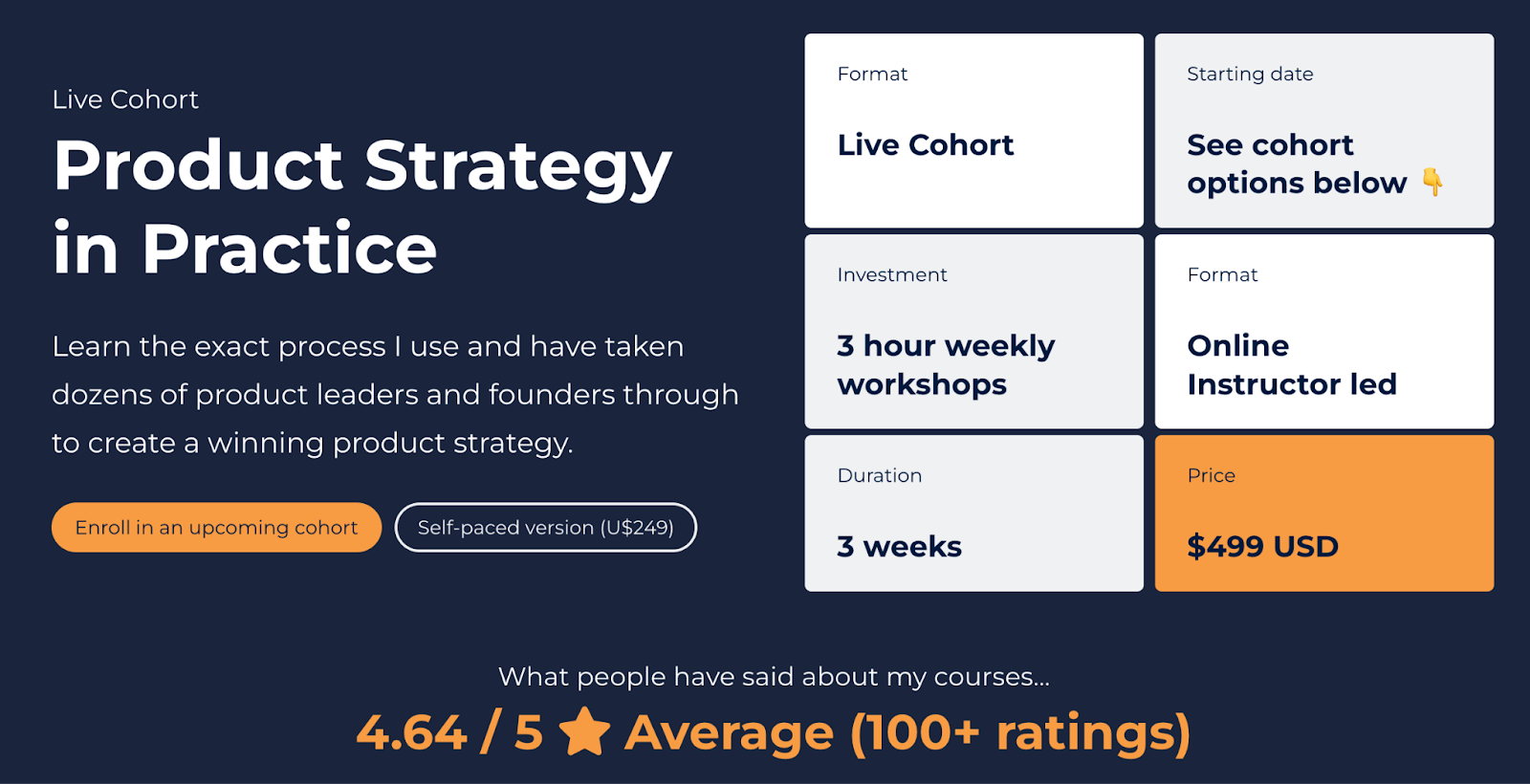
FYI there’s a few spots left for next week’s live Product Strategy course
If you've been sitting on it, now's the time. Once we kick off next Friday, that will be it.
Take a look/register here.
Expanding your “Mental Toolkit”
What is the goal of prioritization?
It's decision making. Specifically decision making to create focus.
To focus on the priority.
Fun fact: 'priority' is singular. It comes from the Latin word prioritas and Old French priorité meaning "first" and was used exclusively as a singular term for hundreds of years, up until the 1900s when we started using it as a plural.
Frameworks are helpful decision making tools.
Research has shown that the smartest people don't rely on fewer frameworks — they rely on more frameworks than the average person. This has been coined the “Mental Toolbox” Theory.
The difference is in application.
They don't look for the 'one framework to rule them all'. They know that frameworks are really mental models that need to adapt to the context.
This is where first principles thinking comes in.
“The secret to great thinking is to learn and employ a variety of mental models.” - James Clear
If you understand the why behind the frameworks - how they came to be, what they're optimising for, when they apply and when they don't - you can bend them, break them, apply them, and even mix them together.
This is how you become more effective, more senior, and drive more impact.
It also frames what I'm about to take you through next.
The Last Prioritisation Framework You Need
Early in my career I fell into this trap. Prioritization felt hard and I was looking for the one framework to rule them all.
This led me down a rabbit hole, as I often do.
Resulting in going through just about every prioritization framework I could find; RICE, ICE, WSJF, Cost of Delay, Opportunity Scoring, the Eisenhower Matrix and even what I called ‘prioritization adjacent’ frameworks like Kano, Impact Mapping, Three Horizon model, etc.
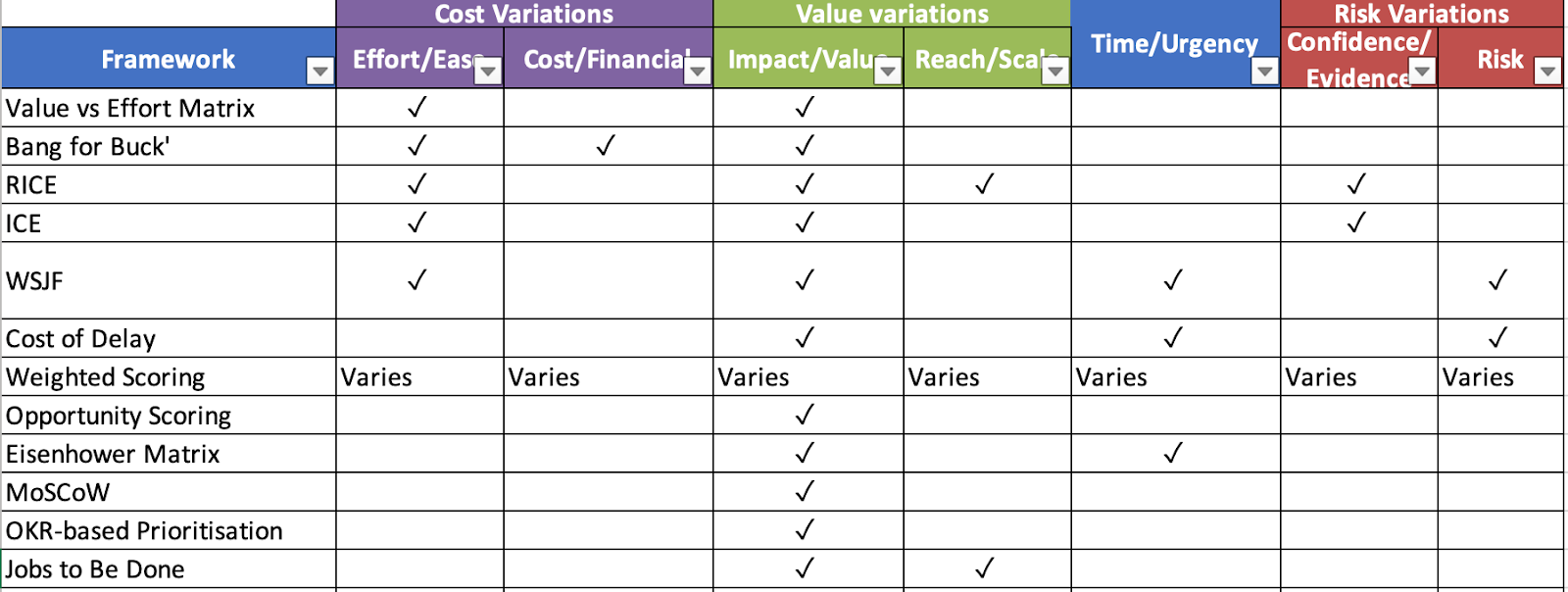
View them all here.
The more longer I’ve spent in product and the more I synthesized all of these frameworks, I realised that they could all be stripped back to just four things:
Impact
Effort
Urgency
Confidence
Note: this is not a framework. I want to be clear about that.
It’s a collection of mental models. A lens for thinking about prioritization that lets you walk into any situation, ask the right questions, and adapt popular frameworks to your context.
It’s worth walking through each one.
1. Impact (not "value")
You'll notice I said impact, not value. That's intentional.
Jeff Gothelf wrote a great article titled "Value is the most ambiguous word in product development”.
The problem with value is it’s contextual.
It’s based on your values, vision and strategy.
If you have a strategy to be the most trusted platform, then things that help you be more trustworthy (not necessarily make more revenue) might be more ‘valuable’ to you — in fact it might even cost you money or make you lose revenue.
I prefer ‘impact’ because it gets you thinking this way.
Because impact to what?
Impact to your strategy which should be modelled into goals, OKRs or a north star metric.
Once you have that value becomes clearer.
It’s impact towards that goal.
Value = impact towards your goals
Either an opportunity drives that goal or it doesn't. And if it doesn't, you can confidently deprioritise it — not because it's a bad idea, it’s just not the right idea.
2. Effort
Effort is in just about every prioritization framework and it’s pretty self-explanatory.
But I want to add a nuance here that often gets missed: effort is not just build time.
When you're sizing up the cost of doing something, you're not just thinking about how long will it take to build, you should also be thinking about:
Discovery investment
Opportunity cost — what are you not doing by saying yes to this?
And any other type of investment
Effort on its own will often push you towards quick wins and you’ll never get to those bigger bets.
3. Urgency
Urgency is the one dimension that almost no prioritization framework takes into account.
But it can be the one thing that completely changes how you think about what’s a priority or not.
Here’s a simple way to think about it.
Imagine you're e-commerce site and last black friday your site crashed from all the traffic. Of course you want to fix it but, black friday has passed and it’s unlikely you’re going to get those volumes until the same time next year.
But given how clear and measurable the ROI is and the fix is relatively small, plotted on a value vs effort matrix it’s suddenly the top priority.
But if you’re nine months away, urgency is low.
Now fast-forward to several months and it's a totally different story.
Urgency is time-sensitive. It changes and requires constant revisiting.
I had this exact scenario play out with a client recently.
They had two opportunities:
A new market was opening up due to a legislative change.
Or an initiative to make it easier for customers to migrate from a competitor to them.
Value/effort said do the second one, lower effort vs similar impact estimate.
But urgency completely flipped it. The legislative change was a window opportunity. Miss it, and you might lose a lot to competitors. But the migration improvements could be done anytime.
4. Confidence
Confidence underpins everything.
You need to accept that none of your estimates for impact, effort, urgency (even) are facts. They’re all forecasts based on the information available to you.
The danger is assuming we know everything when we prioritize. That there’s no more unknowns, when that couldn’t be further from the truth.
I heard this framed once as ‘ignorance tax’.
Imagine you have two opportunities;
Shiny new opportunity that sounds amazing — all upside, super easy, etc.
Boring unsexy improvements to something you know is difficult, finicky, etc.
Which do you choose?
Most choose the shiny new thing. Because why not? It sounds amazing right and the other one you know all the problems with that and you know how hard it’s going to be.
But inevitably as always when you get into it you realize it’s not so easy. That there was a lot of challenges and the upside isn’t as big as you thought.
This is ignorance tax.
The comparison wasn’t fair to begin with. Option 1 was riddled with uncertainty.
The irony is because you knew more about option 2 you also knew all the problems and challenges making it seem less desirable — but that’s often the exact reason why you should go with option 2 over 1.
Counter-intuitive I know.
Which is why confidence is an important dimension.
Confidence can come from many places:
You've done something similar before
You have strong evidence and data to support it
You've done discovery and tested assumptions
It involves your existing product and customers you already understand
Note: Low confidence doesn't automatically mean "don't do it." It might mean: let's do the higher-confidence work now, and run some discovery in parallel so we can learn more.
What I like about confidence is that it gets you thinking about:
Ignorance tax
What data support this idea?
What evidence do I have to support my estimates?
How confident am I that this will have the biggest impact on our goals?
How can I measure everything so I know when I’m wrong and can pivot?
When this happens, prioritization stops being about picking from a list and starts being a confidence game.
You're constantly asking: how confident am I that this is the right thing to be working on, given what we're trying to achieve?
And choosing the path that helps you gain confidence might just be the best path forward.
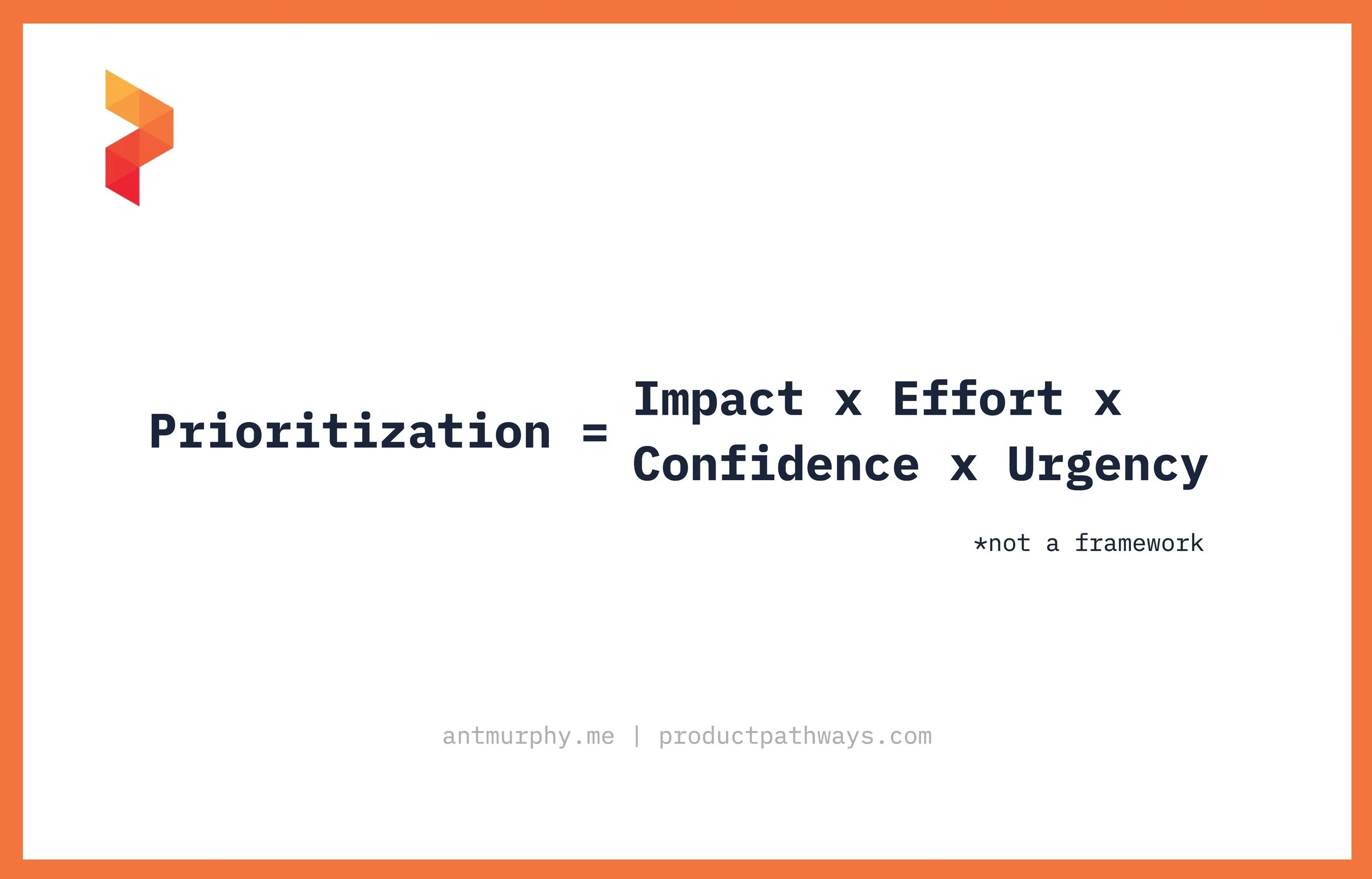
Prioritization = Impact x Effort x Urgency x Confidence
This is not a framework. Think of this as a collection of mental models.
The point is not to score each of these and multiply them together. It’s a mental model to make you ask: which of these actually matters in my situation right now?
Sometimes urgency will be everything.
Other times where confidence is the deciding factor and sometimes elements like effort might be a non-issue…
And sometimes they’re all relevant!
As you get more experienced, you'll get faster at spotting which dimensions are applicable.
And you'll naturally bring out the right tools to prioritize and reason through it. This is where those frameworks do come in handy.
If it’s urgent, perhaps calculating the cost of delay makes sense or perhaps we should be considering opportunity cost.
And it’s never the same every time. That's the skill.
It’s not mastering a prioritization framework, it’s building the judgment to know which lens applies.
If you’re interested in a deeper take on this, I covered more ground in the live stream here.
P.s. If this was useful, forward it to a PM who's still searching for the one framework. They need to hear this.
And thanks as usual for reading and the support.
Any questions - hit reply it comes straight to me.
/Ant
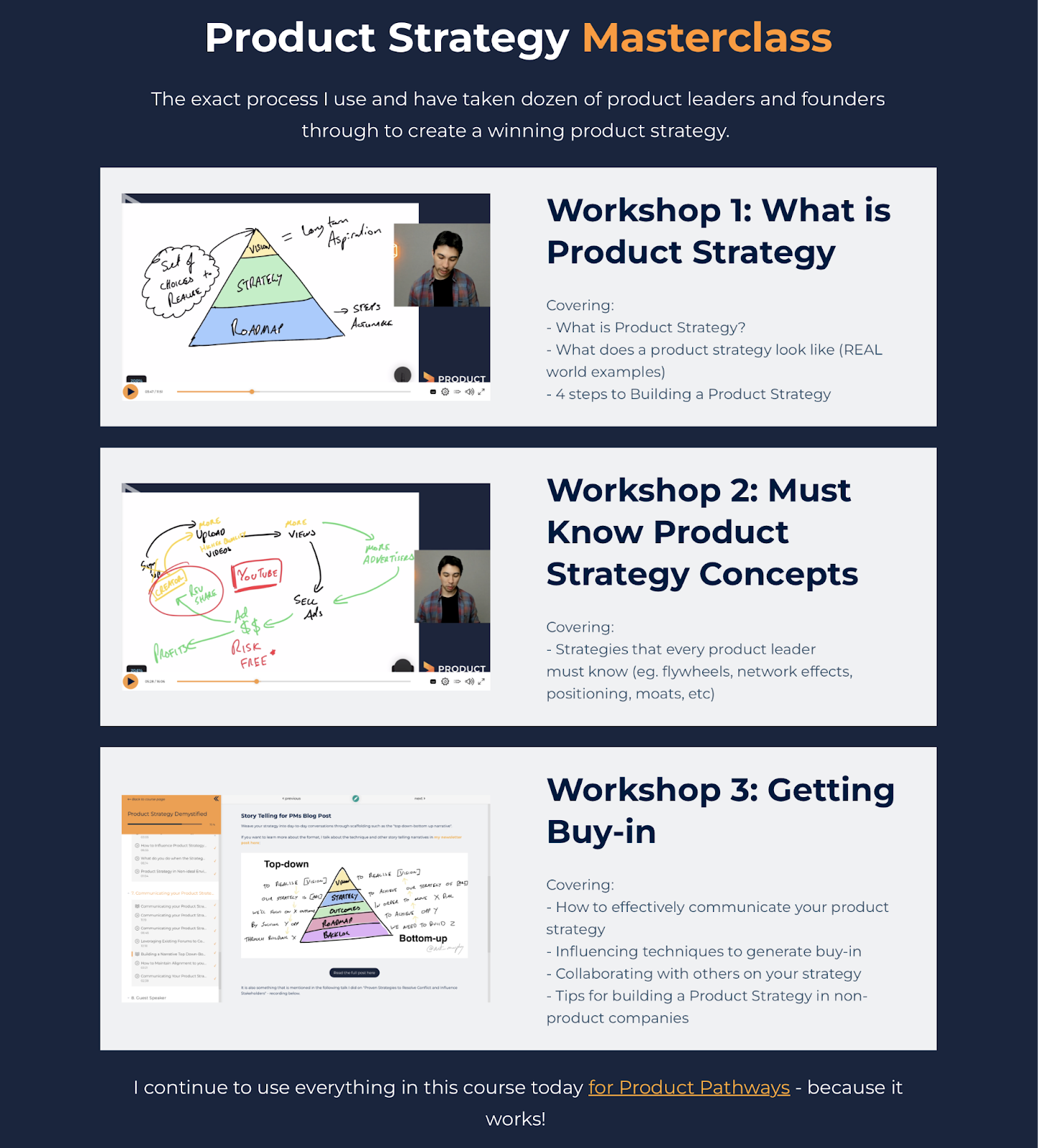
Don’t forget, there’s a few spots left for next week’s live Product Strategy course.
If you've been sitting on it, now's the time. Once we kick off in a week!
Register here.
Top Posts







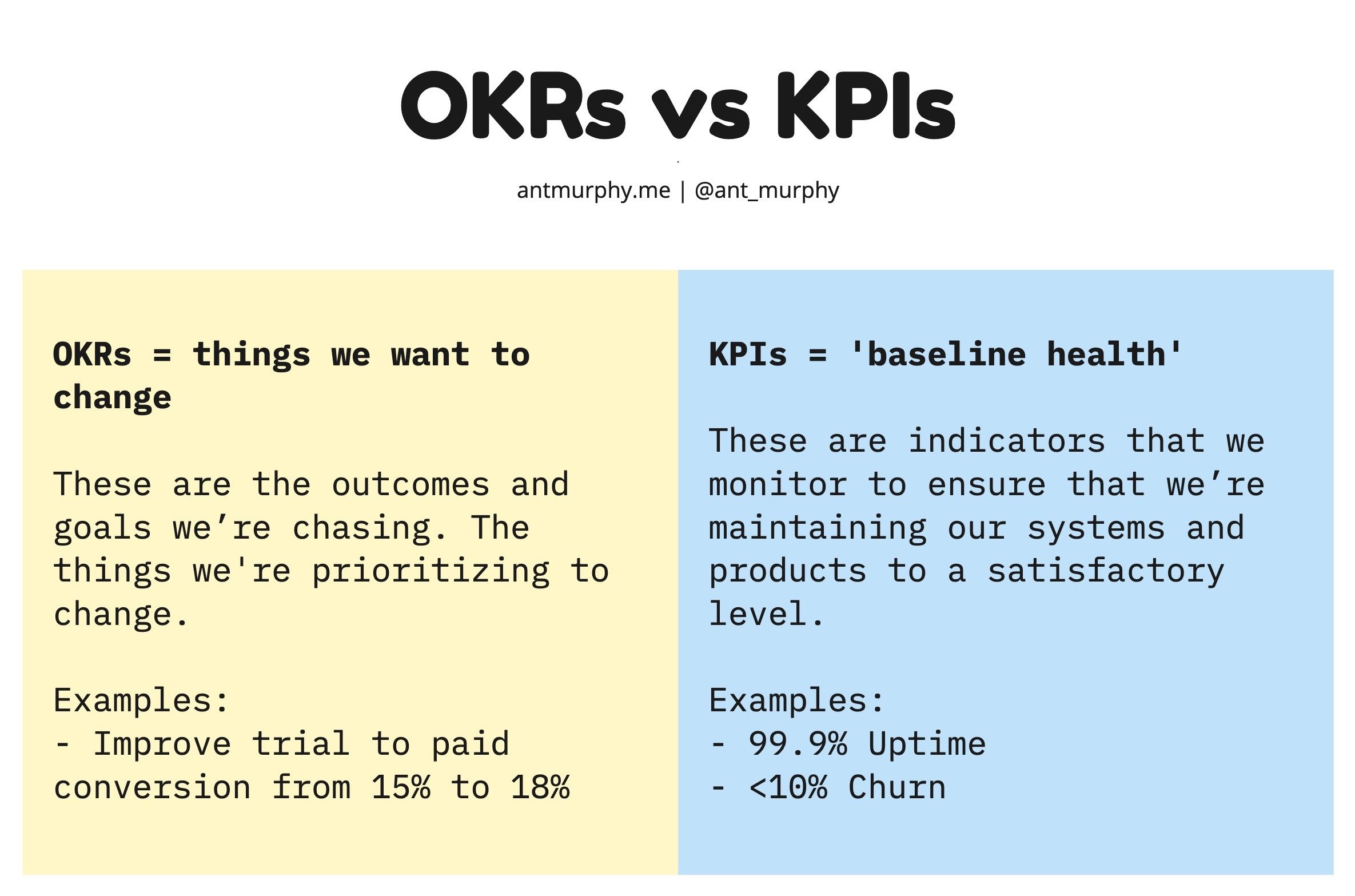

Your OKRs don’t live in a vacuum.
Yet this is exactly how I see many organizations treat their OKRs.
They jump on the bandwagon and create OKRs void of any context.
Here’s what I see all the time…